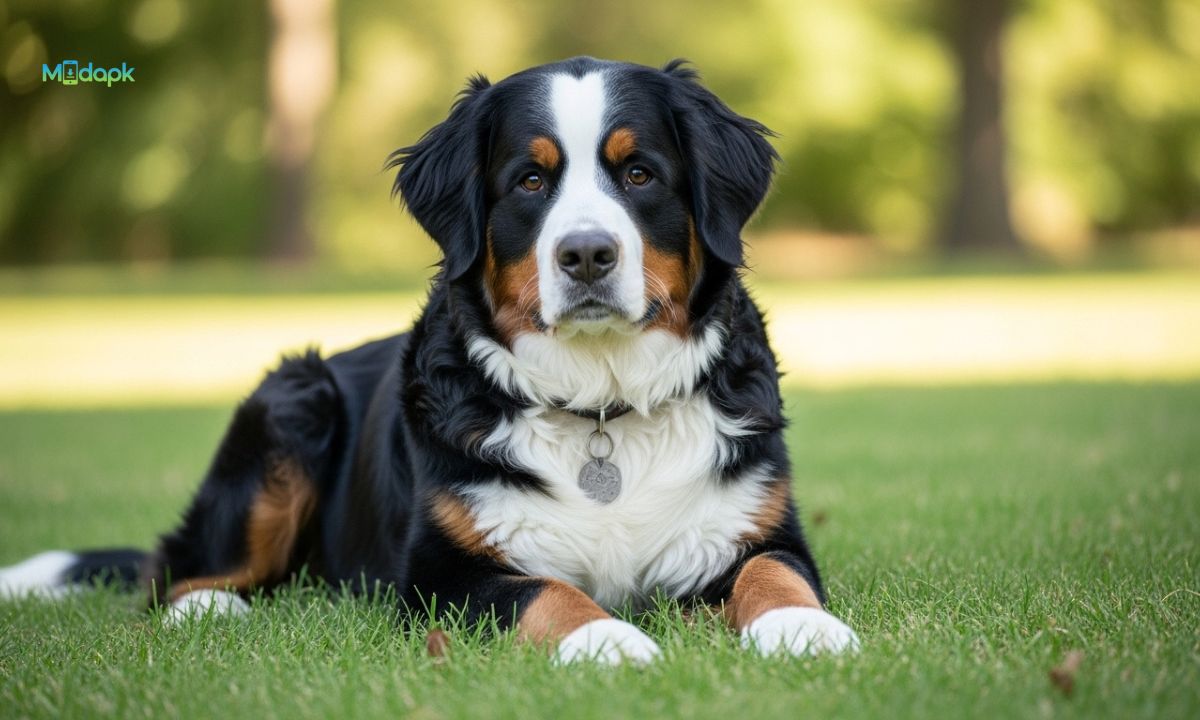
The Bernedoodle is a charming hybrid dog, bred by crossing a Bernese Mountain Dog with a Poodle, combining intelligence, loyalty, and playful energy. Known for their hypoallergenic coats, friendly temperament, and family-friendly nature, Bernedoodles make excellent pets for both homes and active lifestyles.
Whether you’re searching for Bernedoodle puppies, grooming tips, or training advice, understanding this lovable breed helps ensure a happy, healthy companion.
Bernedoodle Size
When it comes to Bernedoodle size, understanding the difference between standard, mini, and tiny varieties is essential. Standard Bernedoodles usually weigh between 70–90 pounds, making them ideal for larger homes and families who have space to accommodate their playful energy.
Mini Bernedoodles are smaller, usually around 25–49 pounds, offering a more manageable size for apartment living while still keeping the lovable Bernese temperament. Knowing your Bernedoodle’s expected size helps plan for feeding, grooming, and exercise routines that match their growth.
Mini Bernedoodle

Mini Bernedoodles are a favorite among families and first-time dog owners because of their compact size and adorable appearance. They inherit the intelligence of Poodles and the calm, friendly nature of Bernese Mountain Dogs.
Mini Bernedoodles are highly trainable and adapt well to both indoor and outdoor lifestyles. Their hypoallergenic coat makes them perfect for people prone to allergies. If you’re considering adding a Mini Bernedoodle to your home, make sure to provide consistent training and early socialization to nurture their friendly personality.
Bernedoodle for Sale
Finding a Bernedoodle for sale can be exciting but requires careful research. Always look for reputable breeders who focus on health screenings, temperament, and proper socialization. Prices vary depending on size, coat type, and lineage, with Mini Bernedoodles generally costing less than standard ones. Here’s a quick guide to help you compare options:
| Type of Bernedoodle | Price Range (USD) | Key Features | Suitable For |
| Standard Bernedoodle | $2,500 – $4,000 | Large, loyal, high-energy | Homes with space & active families |
| Mini Bernedoodle | $1,500 – $3,000 | Compact, friendly, low-shedding | Apartments & small families |
| Tiny/Tea Cup Bernedoodle | $2,000 – $5,000 | Very small, cute, affectionate | Indoor living & lap lovers |
Always ask breeders about vaccination records, health guarantees, and the puppy’s lineage to ensure you get a healthy and well-socialized Bernedoodle.
Bernedoodle Lifespan
The Bernedoodle lifespan typically ranges from 12 to 18 years, depending on size, genetics, and overall care. Mini Bernedoodles tend to live longer than standard ones due to their smaller size. Providing a balanced diet, regular exercise, and routine veterinary care can help extend your Bernedoodle’s life.
Additionally, mental stimulation and social interaction play a crucial role in keeping your dog happy and healthy. Understanding the expected lifespan allows owners to plan long-term care, ensuring that their Bernedoodle remains a loyal companion for many years.
Bernedoodle Hypoallergenic
One of the biggest advantages of owning a Bernedoodle is their hypoallergenic coat, which makes them ideal for allergy-prone families. Thanks to the Poodle genes, Bernedoodles shed less than typical dogs, reducing the spread of pet dander in your home.
Regular grooming and brushing are essential to maintain their coat’s softness and prevent matting. Understanding the hypoallergenic nature of Bernedoodles helps owners plan for proper grooming routines and ensures a comfortable environment for everyone in the household.
Bernedoodle Black
Bernedoodle Black refers to one of the most striking coat colors in this hybrid breed. Black Bernedoodles often inherit a glossy, dense coat that requires consistent care to maintain shine and health. While their coat color may vary, these dogs are equally intelligent, friendly, and family-oriented as other Bernedoodles. Black Bernedoodles make a bold and beautiful addition to any home, but remember that regular brushing and occasional professional grooming are key to keeping their coat in top condition.
Bernedoodle Puppies
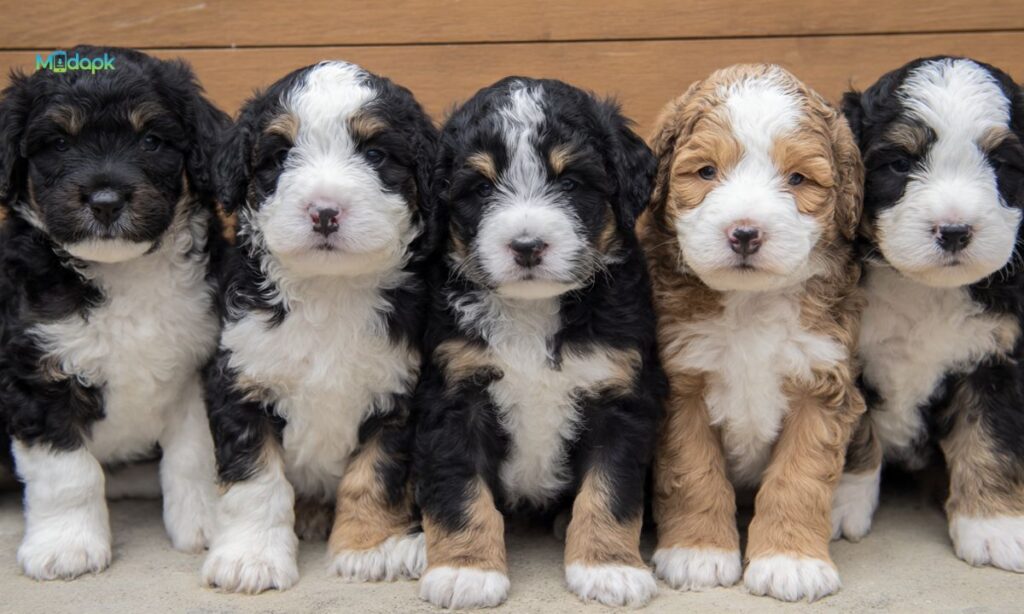
Bernedoodle puppies are known for their playful nature, intelligence, and adaptability. They are a popular choice among families looking for a loving and trainable companion. Early socialization and consistent training are crucial to raise a well-behaved adult Bernedoodle.
When choosing a puppy, always consider reputable breeders who provide health screenings, vaccination records, and socialization guidance. With proper care, Bernedoodle puppies grow into loyal and affectionate adult dogs, making them perfect lifelong companions.
Bernedoodle Adult
An adult Bernedoodle reaches its full size between 12 to 24 months, depending on whether they are standard, mini, or tiny. Adult Bernedoodles are intelligent, loyal, and highly social, requiring daily exercise and mental stimulation to stay happy.
Their temperament remains friendly and calm, making them ideal for families with children or other pets. Maintaining a balanced diet, regular vet checkups, and routine grooming ensures that your adult Bernedoodle remains healthy and energetic throughout their life.
Caring for a Bernedoodle
Caring for a Bernedoodle involves more than feeding and walking—they thrive on love, mental stimulation, and proper grooming. Here are key tips for optimal care:
- Diet: Feed high-quality dog food appropriate for their size and age.
- Exercise: Daily walks, playtime, and mental games keep them happy and healthy.
- Grooming: Regular brushing, occasional trimming, and dental care are essential.
- Training: Early socialization and positive reinforcement training help develop a well-behaved dog.
- Health Checks: Routine vet visits, vaccinations, and preventive care ensure a long lifespan.
Proper care ensures your Bernedoodle grows into a well-adjusted, loyal, and loving companion, making them one of the most rewarding pets to own.
Bernedoodle Health Issues
While Bernedoodles are generally healthy and hardy dogs, they can inherit certain health issues from their parent breeds. Understanding these potential concerns helps owners provide proactive care and maintain a long, happy life for their pet. Regular veterinary checkups, a balanced diet, and exercise are crucial in preventing or managing common conditions.
Hip and Elbow Dysplasia
Hip and elbow dysplasia is a genetic condition that can affect Bernedoodles, particularly the larger standard variety. It occurs when the joints do not develop correctly, causing pain and mobility issues. To minimize risk:
- Obtain puppies from reputable breeders who screen for joint problems.
- Maintain a healthy weight to reduce stress on joints.
- Provide moderate, low-impact exercise like walking or swimming.
Early diagnosis and management, including supplements or physical therapy, can help your Bernedoodle live comfortably.
Progressive Retinal Atrophy
Progressive Retinal Atrophy (PRA) is an inherited eye disorder that can affect Bernedoodles, leading to vision loss over time. While there is no cure, early detection can slow progression and help owners adapt their dog’s environment. Regular eye exams with a veterinarian and monitoring for signs like difficulty navigating or bumping into objects are essential. Choosing a breeder who tests for PRA reduces the likelihood of passing this condition to puppies.
Allergies
Bernedoodles can sometimes suffer from allergies, even though they are known for their hypoallergenic coats. Common triggers include certain foods, pollen, dust, or flea bites. Symptoms may include itching, red skin, digestive upset, or ear infections. Management strategies include:
- Feeding high-quality, limited-ingredient dog food.
- Regular grooming and bath routines to remove allergens.
- Consulting a vet for allergy testing or medications if symptoms persist.
Proactive allergy management ensures your Bernedoodle stays comfortable and healthy year-round.
Gastric Dilatation-Volvulus (GDV)
Gastric Dilatation-Volvulus (GDV), also called bloat, is a serious condition that can affect deep-chested dogs like the Standard Bernedoodle. It occurs when the stomach twists, trapping gas and causing severe pain. GDV is a medical emergency. Prevention tips include:
- Feeding smaller, frequent meals instead of one large meal.
- Avoiding vigorous exercise immediately before or after eating.
- Monitoring for signs like restlessness, swollen abdomen, or vomiting.
Immediate veterinary attention is critical if GDV occurs to save your dog’s life.
What To Feed a Bernedoodle
Feeding your Bernedoodle a balanced and nutritious diet is key to their growth, energy, and overall health. Quality dry kibble formulated for medium to large breeds works well for Standard Bernedoodles, while Mini Bernedoodles do best with smaller-sized kibble.
Including protein-rich foods, vegetables, and occasional healthy treats supports strong muscles, shiny coats, and healthy digestion. Avoid feeding them human junk food, chocolate, or excessive fatty treats, as these can lead to obesity or digestive issues.
How To Feed a Bernedoodle
Proper feeding routines help maintain your Bernedoodle’s health and prevent behavioral issues. Puppies should be fed 3–4 small meals a day, gradually reducing to 2 meals per day as they reach adulthood. Use portion-controlled bowls and a consistent feeding schedule to prevent overeating.
Fresh water should always be available, and owners should monitor for signs of food intolerance or allergies. Treats can be used for training, but in moderation to avoid unnecessary weight gain.
How Much Should You Feed a Bernedoodle?
The amount you feed a Bernedoodle depends on their age, size, activity level, and metabolism. Here’s a quick feeding guideline:
| Bernedoodle Type | Age | Daily Food Amount | Notes |
| Mini Bernedoodle | Puppy (2–6 months) | ½ – 1 cup per meal, 3–4 meals | High-quality puppy food for growth |
| Mini Bernedoodle | Adult | 1–2 cups per day, 2 meals | Maintain healthy weight |
| Standard Bernedoodle | Puppy (2–6 months) | 1–2 cups per meal, 3–4 meals | Protein-rich for strong muscles |
| Standard Bernedoodle | Adult | 3–4 cups per day, 2 meals | Adjust based on activity level |
Regularly monitor your Bernedoodle’s weight and body condition, adjusting portions as needed to prevent obesity or malnutrition.
Nutritional Tips for Bernedoodles
To keep your Bernedoodle healthy, consider these nutritional tips:
- High-Quality Protein: Choose dog food with real meat as the first ingredient.
- Healthy Fats: Omega-3 and Omega-6 fatty acids support coat health.
- Fiber: Helps with digestion and prevents constipation.
- Supplements: Consider glucosamine for joint support in Standard Bernedoodles.
- Avoid Fillers: Steer clear of corn, soy, and artificial additives.
Proper nutrition not only promotes physical health but also enhances your Bernedoodle’s energy, behavior, and lifespan.
Behavior and Training Tips for Bernedoodles
Bernedoodles are intelligent, social, and eager-to-please dogs, making training both enjoyable and rewarding. Positive reinforcement techniques work best, as harsh methods can harm their sensitive nature. Early socialization is essential to prevent shyness or anxiety, and mental stimulation through puzzles or interactive toys keeps them engaged and well-behaved. Consistency, patience, and daily practice are key to raising a confident and obedient Bernedoodle.
Bernedoodle Personality and Temperament
Bernedoodles inherit the friendly and loyal temperament of the Bernese Mountain Dog and the intelligence of the Poodle. They are affectionate, family-oriented, and thrive in homes where they receive attention and companionship.
While generally calm, Bernedoodles enjoy playtime and outdoor activities, making them perfect for active families. Understanding your Bernedoodle’s temperament helps in planning training routines, socialization, and bonding activities.
Bernedoodle Behavior
Common Bernedoodle behavior traits include:
- Playfulness and curiosity, especially as puppies
- Loyalty and attachment to family members
- Occasional separation anxiety if left alone for long periods
- High intelligence, which requires mental stimulation
Recognizing these behaviors early allows owners to address issues like chewing, barking, or hyperactivity proactively.
Bernedoodle Training
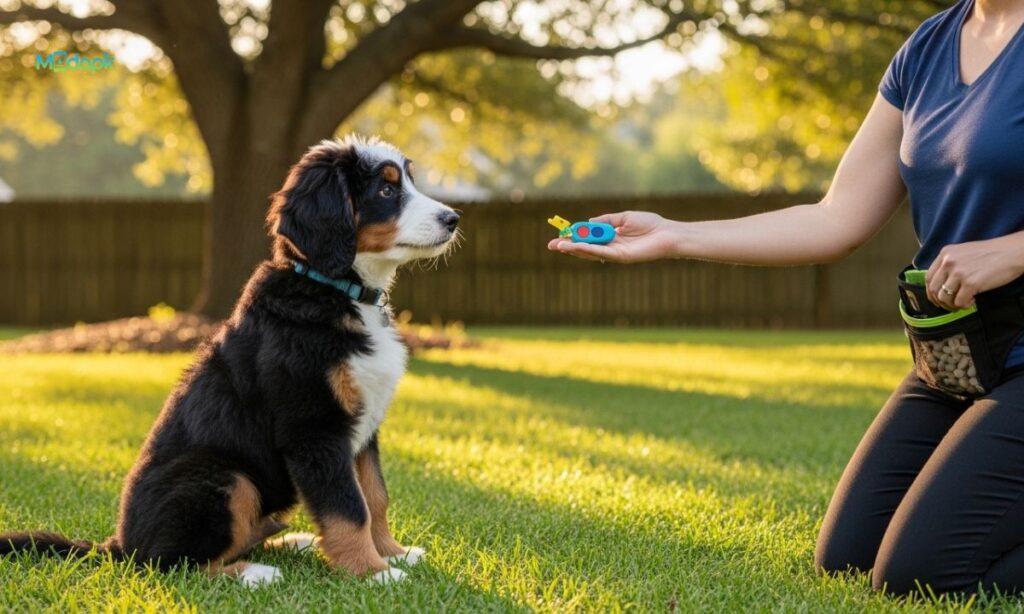
Training a Bernedoodle involves a combination of obedience, socialization, and mental stimulation. Tips include:
- Start training early, ideally at 8–12 weeks old.
- Use positive reinforcement (treats, praise, and play).
- Introduce socialization with other dogs and new environments.
- Incorporate short, consistent sessions to match their attention span.
With proper training, Bernedoodles become well-mannered, confident, and adaptable pets.
Fun Activities for Bernedoodles
Keeping your Bernedoodle active is essential for their physical and mental health. Fun activities include:
- Fetch or tug-of-war games
- Agility training or obstacle courses
- Swimming and outdoor walks
- Puzzle toys and scent games
Regular engagement prevents boredom, promotes exercise, and strengthens the bond between you and your dog.
Bernedoodle Grooming Guide
Grooming is vital for maintaining a healthy, happy Bernedoodle, especially due to their Poodle-like coats. Proper grooming prevents mats, skin issues, and other health concerns.
Skin Care
Regularly check your Bernedoodle’s skin for redness, dryness, or irritation. Bathe them every 4–6 weeks using a gentle, dog-specific shampoo to avoid skin dryness.
Coat Care
Brushing 3–4 times a week prevents matting and reduces shedding. Standard Bernedoodles may need professional grooming every 6–8 weeks. Trimming around the eyes, paws, and sanitary areas keeps them comfortable and clean.
Eye Care
Clean your Bernedoodle’s eyes weekly with a damp cloth to remove tear stains or debris. Watch for signs of redness, excessive tearing, or discharge, which may indicate infection.
Ear Care
Bernedoodles have floppy ears, making them prone to infections. Clean ears weekly using vet-approved solutions, and monitor for foul odor, redness, or scratching. Proper ear care prevents discomfort and serious infections.
Characteristics of the Bernedoodle
The Bernedoodle is a hybrid breed, combining the Bernese Mountain Dog’s loyalty with the Poodle’s intelligence and hypoallergenic coat. Key characteristics include:
- Friendly and social personality
- High intelligence and trainability
- Adaptable to family life or active lifestyles
- Hypoallergenic or low-shedding coat
- Moderate to high energy levels requiring daily exercise
These traits make Bernedoodles ideal companions for families, singles, or seniors seeking an affectionate and versatile dog.
History of the Bernedoodle
The Bernedoodle originated in the early 2000s as a designer hybrid, bred to combine the best traits of the Bernese Mountain Dog and the Poodle. The goal was to create a family-friendly dog with a calm temperament, intelligence, and low-shedding coat.
Today, Bernedoodles are popular worldwide, appreciated for their gentle nature, playful personality, and adaptability in various living environments. Understanding their history helps owners appreciate the breed’s unique traits and care requirements.
Bernedoodle Care
Proper care is crucial to ensure your Bernedoodle remains healthy, happy, and well-adjusted. Care involves attention to exercise, grooming, training, and overall health.
Exercise
Bernedoodles require daily physical activity to maintain energy levels and prevent behavioral problems. Activities include:
- Daily walks or jogs
- Playtime in a fenced yard or park
- Interactive games like fetch or agility training
- Mental stimulation with puzzle toys
Regular exercise keeps their mind sharp, muscles strong, and prevents boredom-related behaviors.
Grooming
Grooming is essential due to their Poodle-influenced coat. Key tips include:
- Brush 3–4 times a week to prevent mats
- Bathe every 4–6 weeks with gentle shampoo
- Trim nails regularly to avoid discomfort
- Check eyes and ears weekly to prevent infections
Proper grooming ensures a healthy coat, clean skin, and overall well-being.
Training
Training a Bernedoodle requires patience, consistency, and positive reinforcement. Techniques include:
- Start obedience training early (puppy stage)
- Use rewards and praise for motivation
- Socialize with other dogs and people
- Incorporate short, engaging sessions to maintain attention
Well-trained Bernedoodles are obedient, confident, and happy companions for any household.
Common Health Problems
While Bernedoodles are generally healthy, they can inherit conditions from their parent breeds. Common health problems include:
- Hip and Elbow Dysplasia: Joint issues causing pain and mobility problems.
- Progressive Retinal Atrophy (PRA): Genetic eye disease leading to vision loss.
- Allergies: Food, pollen, or flea-related sensitivities.
- Gastric Dilatation-Volvulus (GDV/Bloat): Life-threatening stomach twisting in deep-chested dogs.
Regular vet checkups, preventive care, and a healthy lifestyle can help minimize risks and ensure a long, happy life for your Bernedoodle.
Diet and Nutrition
Proper diet and nutrition are essential for Bernedoodles’ growth, coat health, and overall well-being. Key tips:
- Feed high-quality, protein-rich dog food appropriate for their size.
- Incorporate healthy fats for a shiny coat (Omega-3 & Omega-6).
- Offer fiber to support digestion and gut health.
- Avoid human junk food, chocolate, or excess treats.
- Adjust portion sizes based on age, activity, and metabolism.
Balanced nutrition promotes energy, longevity, and a happy, healthy pet.
Where to Adopt or Buy a Bernedoodle
Finding a Bernedoodle for adoption or purchase requires careful research. Options include:
- Reputable Breeders: Ensure health-tested parents, socialized puppies, and vaccination records.
- Rescue Organizations: Some Bernedoodles become available through breed-specific rescues.
- Pet Adoption Sites: Occasionally, Bernedoodles appear in shelters or online adoption platforms.
Always prioritize the dog’s health, temperament, and breeder transparency to ensure you bring home a healthy, well-socialized Bernedoodle.
Bernedoodle Overview
The Bernedoodle is a hybrid dog combining the Bernese Mountain Dog’s calm, loyal temperament with the Poodle’s intelligence and low-shedding coat. They come in multiple sizes: standard, mini, and tiny/teacup, making them suitable for a variety of living situations.
Known for their playful yet gentle personality, Bernedoodles are ideal family pets, therapy dogs, and companions for singles or seniors. Their hypoallergenic coat, trainability, and affectionate nature make them one of the most popular designer breeds today.
Pros of Bernedoodles
- Friendly and family-oriented
- Intelligent and easy to train
- Hypoallergenic or low-shedding coat
- Adaptable to different living environments
- Playful and affectionate companions
Cons of Bernedoodles
- Require regular grooming and coat maintenance
- High energy levels need consistent exercise
- Can suffer from genetic health issues
- May experience separation anxiety if left alone too long
- Puppies can be expensive, especially from reputable breeders
Frequently Asked Questions
What is a Bernedoodle dog?
A Bernedoodle is a hybrid breed, a cross between a Bernese Mountain Dog and a Poodle, known for being intelligent, friendly, and low-shedding.
How big do Bernedoodles get?
Bernedoodles come in standard, mini, and tiny sizes, ranging from 25 to 90 pounds, depending on genetics and breeding.
Are Bernedoodles hypoallergenic?
Yes, most Bernedoodles have a low-shedding, hypoallergenic coat, making them suitable for allergy-prone families.
How long do Bernedoodles live?
The average Bernedoodle lifespan is 12–18 years, influenced by size, genetics, and proper care.
How do you train a Bernedoodle?
Bernedoodles are intelligent and respond well to positive reinforcement training and early socialization.
Where can I find Bernedoodle puppies for sale?
You can find Bernedoodle puppies through reputable breeders, breed-specific rescues, or trusted adoption platforms.

Aliza is a creative content writer expert in APK and tools, crafting simple and engaging tech content for users.